Gravity wall for shorter slopes
A gravity wall holds the slope with its own weight and the soil it retains, and it uses little or no steel. It usually suits shorter walls in yards with room for a thicker wall, because its mass is doing the work.
Dirt spilling onto your patio or an old wall leaning out? We build poured walls with drainage planned first, so the ground stays put.
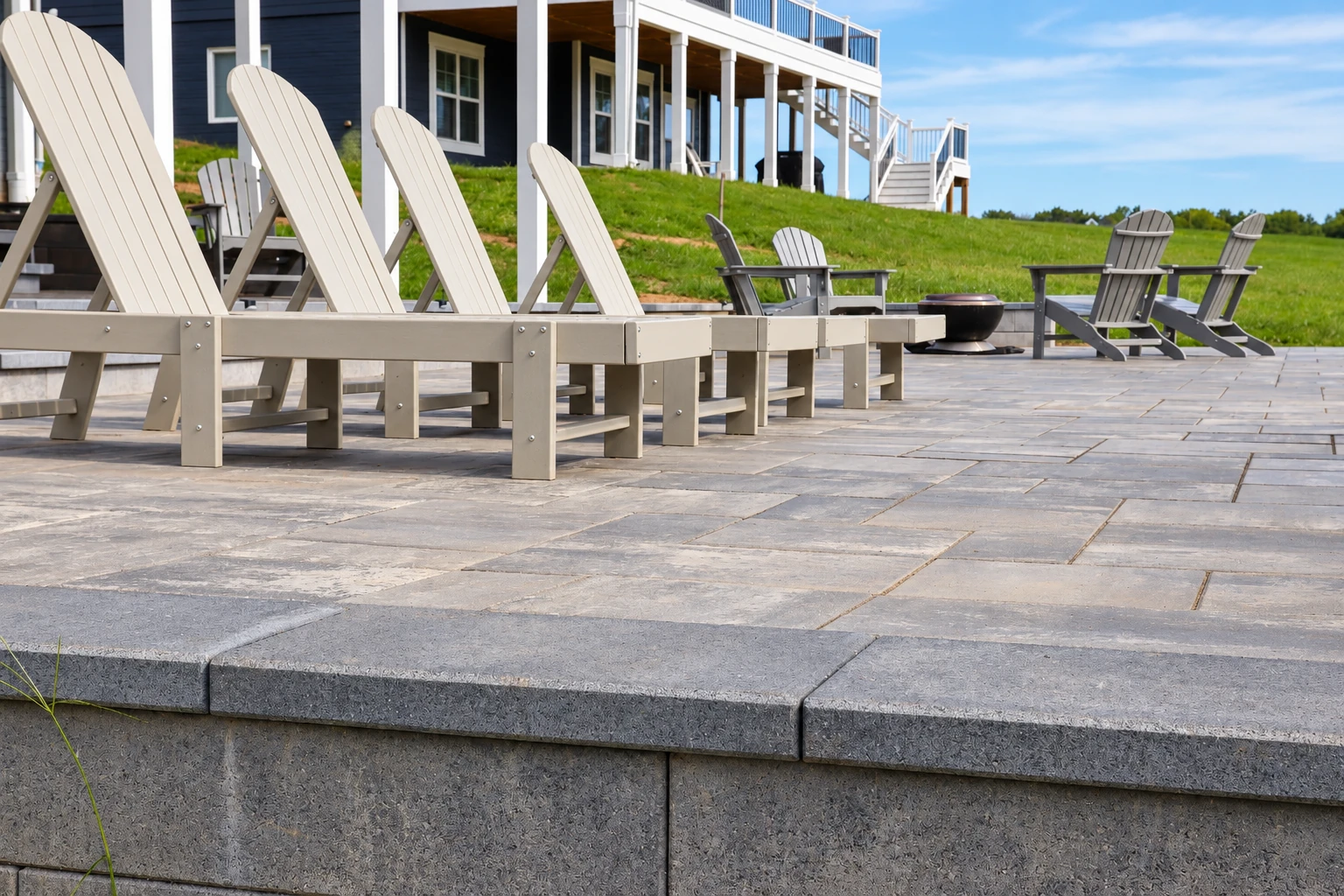
Concrete retaining walls in Azusa hold back soil that's always pushing sideways, which gives you flat, usable ground. Most of what makes a wall work is out of sight, in the footing, a wide concrete base below ground, and in the drain behind the wall.
Most calls start with something you can see. It might be dirt washing onto the patio after a rain, an old wall leaning out, or a slope you'd like to turn into room for a concrete patio. The price moves with the wall's height and length, whether an old wall has to come out, curves, color or stamping, and how hard the soil is to dig. The schedule mostly turns on whether the city needs to review or permit the wall and how easily we can get a crew and equipment into your yard. I'll give you your own number after I've walked the slope.
I come out myself to walk the slope, see where the water runs and write the estimate. Our own crew builds the wall, and I'm on site running it, so the person who planned the drainage is the one checking that it gets built.
In California, the state licensing board defines a concrete contractor as one who forms, pours, places and finishes concrete, which covers every step of a poured wall. We're fully licensed and insured, and I'm glad to go over that when I come out.
I learned concrete pouring footings and slabs on new construction, then started this business in 2013 for homes with trees, sprinklers and a dog that wants to help. We protect what's around the wall and leave the yard clean. Call (626) 540-1248 to set up a visit.
Call (626) 540-1248 or use the form, and send the wall's rough height and length, a few photos of the slope and where your property line runs. We'll get back to you within one business day to set a time. I'll come out, look at the job and write a free estimate on site, with no obligation.
The city's permit steps say to check with the Planning Division about Design Review first and to finish any required review before you apply for a building permit. Building permits come from Azusa's Building Division, which also works out permit fees and inspects new construction and structural work. Whether your wall needs a permit comes down mostly to its height and what it holds back, which the FAQ below covers. Before we start, we check with the office that covers your address, and when a permit is needed, we pull it and handle the paperwork.
The city also reports earthquake fault zones in Azusa, along with areas prone to landslides or to liquefaction, where shaken soil can lose its grip. A wall here deserves careful planning from the start. We're based in Azusa and work in the cities around it, from Glendora and Covina to Pasadena and Pomona. On hillside lots we often find old walls that give water no way out and slopes that have crept toward the house.
Under the city's rule, a wall up to 4 feet tall, measured from the bottom of the footing to the top, is exempt from a building permit. That exemption doesn't apply if the wall holds back extra weight, like a driveway or a slope above it, or certain liquids. We check your address with the city before anything starts.
In the Los Angeles area, a poured concrete retaining wall usually costs about $18 to $54 per square foot installed, including site prep. That's the market's range, not our price. The spread comes from things like height, curves, removing an old wall and tough soil. Your own number comes from the estimate I write on site.
Poor drainage is by far the most common cause of a wall that performs badly, and if nobody deals with it, the wall can fail outright. Weep holes, the small drain openings in a wall, often stop working once bad backfill, plants, animals or trash clog them. Ask us how the drains on your wall will stay open over time.
Usually yes, because some cantilever walls use a footing on one side only, for lots where a normal footing would cross the line. That lets you keep a reinforced wall close to the line without digging under your neighbor's yard. I'll look at where your line runs when I come out.
Movement is the usual cause, since a poured wall is rigid, and the trade group for segmental block walls says rigid walls may show cracks when they move. That group also says block units can shift without visible signs of distress and can cost less, because on-site soil can usually be reused and heavy equipment isn't needed. We build poured walls, so the part we work on is the footing and drainage that keep the wall from moving.